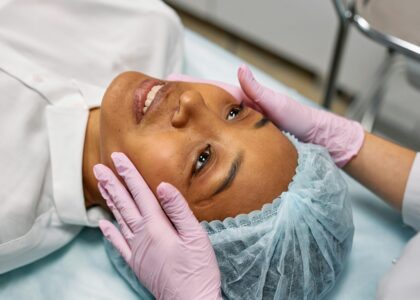


Reconstructive surgery is one of the most transformative branches of medicine — yet it remains widely misunderstood. Many patients in Kenya and East Africa arrive at a consultation uncertain about what the specialty covers, what to expect, and whether they qualify for treatment. This article aims to answer those questions plainly.
What reconstructive surgery treats
Reconstructive surgery restores the form and function of the body following disease, trauma, or congenital conditions. Unlike purely aesthetic procedures, reconstructive surgery addresses a medical need — though the outcomes are often life-changing in both a physical and psychological sense.
Common reasons patients seek reconstructive surgery include road traffic accidents leaving significant soft-tissue injuries, cancer surgery requiring reconstruction of the affected area, severe burns causing contractures or scarring that limit movement, congenital conditions such as cleft lip and palate, and chronic wounds that have failed to heal through conventional treatment.
What the surgery involves
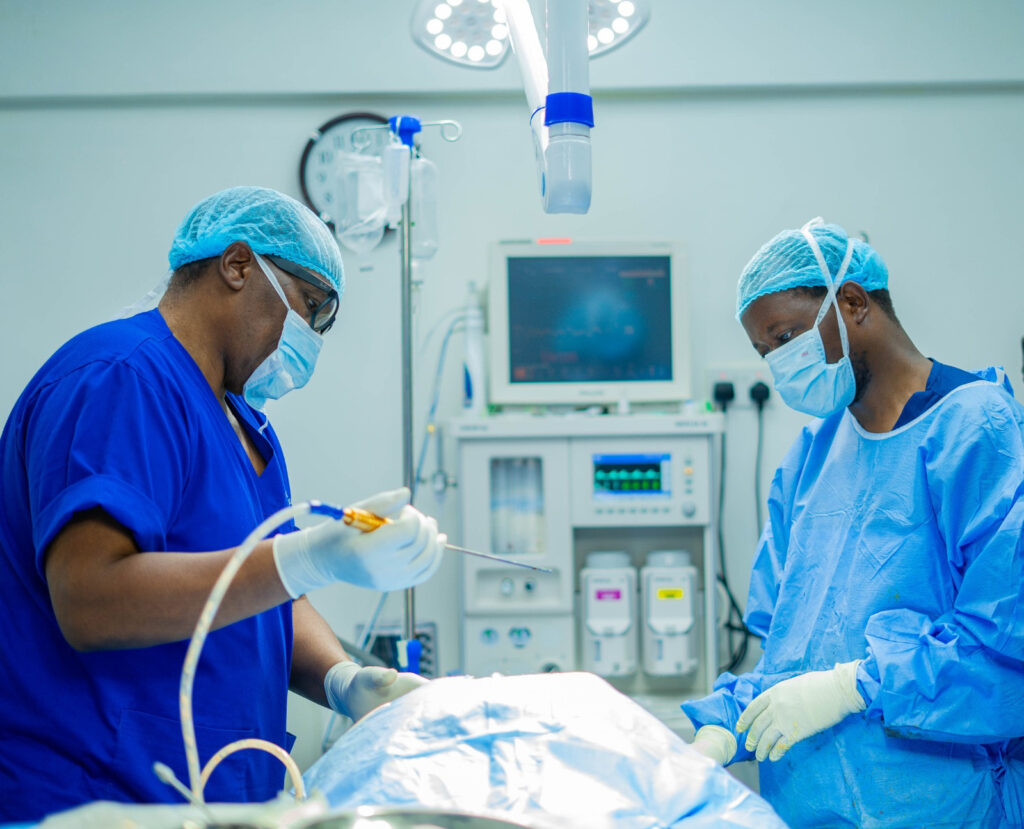
The specific procedure depends entirely on the patient’s condition and goals. At the simplest end, reconstruction may involve a skin graft — moving healthy skin from one part of the body to cover a wound. More complex cases may require a flap procedure, where skin, muscle, and blood vessels are moved together to rebuild an area. The most advanced approach is microsurgery, where free tissue is transferred from a donor site and its blood supply reconnected under a microscope.
Recovery
Recovery time varies significantly by procedure. A straightforward skin graft may require two to three weeks of wound care. A complex free flap reconstruction may involve a hospital stay of seven to ten days followed by several weeks of monitored recovery. Every patient receives a detailed recovery plan at consultation.
Is reconstructive surgery available in Kenya?
Yes. Kenyatta National Hospital and several private facilities in Nairobi offer reconstructive surgical services. Prof. Stanley Khainga was among the pioneers who established microvascular reconstructive surgery in Kenya, introducing free flap techniques that were previously unavailable in East Africa.
If you have a condition that may benefit from reconstructive surgery, the first step is a consultation to discuss your options. Contact our clinic to arrange an appointment.